
The best things to do in Gujrat, Pakistan, include visiting the Shrine of Hazrat Shah Daula, exploring the old city bazaars famous for pottery and fans, walking along the Chenab river, and taking a day trip to the UNESCO-listed Rohtas Fort near Jhelum. Gujrat is an industrial city rather than a tourist resort, so the appeal is in its history, its craft markets and the river, best enjoyed over a day or two with a comfortable riverside base. This guide covers what to see, where to go nearby, and how to plan a visit.
Gujrat is one of the oldest continuously settled places in this part of Punjab, with a history stretching back well over a thousand years and a setting between the Chenab and Jhelum rivers. Today it is a city of more than half a million people, known across Pakistan as part of the industrial “golden triangle” with Sialkot and Gujranwala, and famous for producing the great majority of the country’s electric fans, along with furniture, pottery and brassware. That blend of deep history and busy craft industry is what makes a visit interesting.
Quick answer: what should you see in Gujrat?
If you only have a day in Gujrat, see the Shrine of Hazrat Shah Daula, walk the old city bazaars for pottery, brassware and the city’s famous fans, and spend an evening by the Chenab river. With a second day, add a trip to Rohtas Fort near Jhelum or to Sialkot. Base yourself at a riverside hotel on the GT Road, such as Kinara Hotel, so you can sightsee by day and return to the water each evening.
Top attractions in Gujrat
Shrine of Hazrat Shah Daula. The best-known landmark in Gujrat, this revered Sufi shrine draws pilgrims throughout the year. It is at its most vivid during the spring Urs festival, roughly late March to early May, when music, food stalls and thousands of visitors fill the area. Dress modestly and be respectful when photographing, as it is an active place of worship.
The Gujrat Fort area and old city. Gujrat grew up around its historic fort, and while much of the old structure is now built over, the surrounding old city retains narrow bazaar lanes, traditional havelis and a clock-tower district that give a feel for the pre-partition town. It is the best part of the city for a walk on foot.
The bazaars. Gujrat’s markets are a genuine attraction in their own right. This is the place to see and buy the city’s signature crafts: hand-thrown pottery and ceramics, brassware, locally made furniture, electric fans, and the embroidered khussa footwear the region is known for. Even if you do not buy, the workshops and stalls are a window into how the city actually makes its living.
The Chenab river. The river that runs past Gujrat is woven into Punjabi culture through the folk romance of Sohni Mahiwal, in which Sohni, said to be from the Gujrat region, crossed the Chenab on a clay pitcher to meet her beloved Mahiwal. Spending an evening by the water, especially from a riverside hotel, connects you to that story and gives the city its calmest, most scenic moments.
Historic waterworks and relics. Around the old city you can find traces of the past such as the Baouli well, the Akbari Hammam (Akbar’s Bath) and old havelis, small reminders of the city’s Mughal-era and colonial history for those who enjoy hunting out the details.
Shopping and crafts
Because Gujrat is a manufacturing city, shopping here is more rewarding than in many larger towns. The standouts are:
- Pottery and ceramics: Gujrat is one of Pakistan’s ceramics capitals
- Electric fans: Gujrat and Gujranwala produce the overwhelming majority of the country’s fans
- Furniture: locally crafted wooden furniture is a major trade
- Brassware and metal goods
- Khussa: traditional embroidered Punjabi footwear
Bargaining is normal in the bazaars, and it is worth seeking out the workshops behind the shops to see items being made.
Easy day trips from Gujrat
Gujrat’s central position makes it a good launchpad for some of Punjab’s better historic sites.
Rohtas Fort (near Jhelum). A UNESCO World Heritage Site and one of the most impressive forts in South Asia, built in the sixteenth century under Sher Shah Suri. It is a comfortable day trip north from Gujrat and the single best excursion in the area for history lovers.
Sialkot. To the east, Sialkot is famous for sports goods and surgical instruments and is home to Iqbal Manzil, the birthplace of the poet-philosopher Allama Iqbal. It also has the nearest large airport.
Kunjah and Jalalpur Jattan. Smaller historic towns within the Gujrat district, with old havelis and traditional character, good for a short rural drive.
The Chenab ghats and countryside. The fertile plains and river ghats around the city are pleasant for a slow drive, particularly in the cooler months.
When is the best time to visit Gujrat?
The most comfortable time to visit Gujrat is from October to March, when the Punjab heat has eased and days are mild and evenings cool. Spring, from late March into May, is also good and overlaps with the Shah Daula Urs festival, which is worth timing a visit around if you want to see the city’s Sufi culture at full volume. Summers, from May to September, are hot, so plan indoor sightseeing for the middle of the day and save the river and bazaars for early morning or evening.
How to get to Gujrat
- From Lahore: about 120 km, roughly two hours on the GT Road (N-5) or the M-2 motorway.
- From Islamabad/Rawalpindi: around 160 to 180 km, about three hours.
- By train: Gujrat Railway Station is on the main Lahore–Rawalpindi line, with several daily services.
- By air: the nearest major airports are at Sialkot, Lahore and Islamabad.
Once in the city, hiring a rickshaw or a car with a driver is the easiest way to reach the shrine, the bazaars and nearby towns.
Where to stay while you explore
Because Gujrat’s attractions are spread across the old city, the river and the nearby towns, the most practical base is a hotel on the GT Road (N-5) with easy access in every direction. A riverside hotel is the most enjoyable choice, since it lets you return to the calm of the Chenab after a day in the busy city.
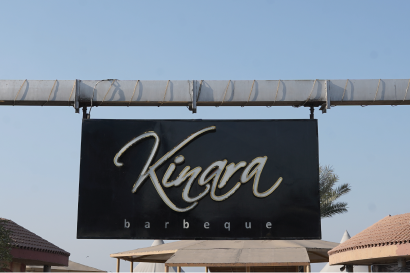
Kinara Hotel is the natural pick here. It sits on the Chenab riverside along the GT Road, near the toll plaza, so you are central for the shrine, the bazaars and day trips, with a quiet room over the water to come back to. Rooms start at 13,000 PKR and include a complimentary breakfast buffet, and the property has three restaurants, a buffet and the Kinara Wonderland amusement park, which is useful if you are travelling with children. After a day of sightseeing, being able to eat well and relax by the river without driving anywhere else is the kind of convenience that makes a trip easier. To plan a stay, call 053-3589111.
A simple two-day itinerary
Day one: Arrive and check in by the Chenab. Spend the morning at the Shrine of Hazrat Shah Daula, then explore the old city bazaars for pottery, brassware and fans. Return to the riverside for an evening meal and a walk by the water.
Day two: Take a day trip to Rohtas Fort near Jhelum, or head east to Sialkot for Iqbal Manzil. Come back to the hotel for a buffet dinner, and let the children enjoy Wonderland before you leave.
Practical tips for visiting Gujrat
A few practical pointers make a visit smoother. Gujrat is a conservative, industrious city, so dress modestly, especially around the Shah Daula shrine and in the older parts of town. Ask before photographing people or at religious sites. The old city bazaars can be crowded, so keep valuables secure and travel light when you go on foot. A rickshaw or a hired car with a driver is the easiest way to get around and reach the nearby towns, since parking in the dense old quarter is difficult. Carry cash for the bazaars, where many small shops do not take cards, and bring water and sun protection in the warmer months.
What to bring home from Gujrat
Gujrat is one of those cities where shopping is a reason to visit in itself. The pottery and ceramics are among the best in the country and make distinctive gifts. Locally made brassware, the embroidered khussa footwear, and small wooden furniture pieces are all worth a look, and the city’s electric fans are a genuinely practical buy given that Gujrat produces so many of Pakistan’s. Visiting the workshops behind the bazaar stalls, where you can watch items being made, turns shopping into part of the sightseeing.
Making the most of a short stay
Because Gujrat is compact and its attractions are spread between the old city, the river and the nearby towns, even a single overnight stay can cover a lot if you base yourself well. A riverside hotel on the GT Road keeps you central and lets you slot the shrine, a bazaar walk and an evening by the Chenab into one easy day, then add a day trip if you have a second morning. The key is to avoid wasting time crossing the city repeatedly, which a central, well-connected base prevents.
Frequently asked questions
What are the main things to do in Gujrat? Visit the Shrine of Hazrat Shah Daula, explore the old city bazaars for pottery, brassware and fans, walk along the Chenab river, and take a day trip to Rohtas Fort near Jhelum.
Is Gujrat worth visiting? Yes, if you are interested in Punjabi history, Sufi heritage and craft markets rather than resort tourism. It also makes a convenient and comfortable stop on the Lahore–Islamabad route.
What is Gujrat famous for? Gujrat is famous for manufacturing electric fans, furniture, pottery and brassware, for the Shrine of Hazrat Shah Daula, and for its setting on the Chenab river tied to the Sohni Mahiwal legend.
What can you do near Gujrat? Visit Rohtas Fort near Jhelum (a UNESCO World Heritage Site), Sialkot to the east, and the historic towns of Kunjah and Jalalpur Jattan within the district.
Where should I stay when visiting Gujrat? A riverside hotel on the GT Road, such as Kinara Hotel on the Chenab, is the most central and comfortable base for sightseeing and day trips.
When is the best time to visit Gujrat? October to March is the most comfortable, while spring lines up with the Shah Daula Urs festival.